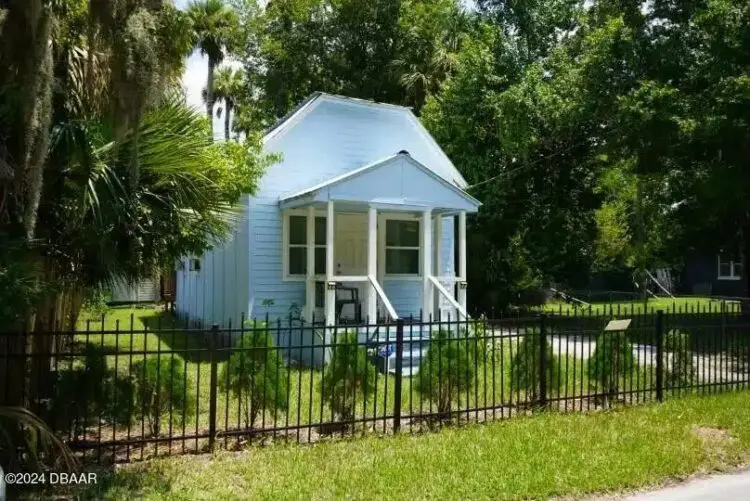
Did you know that the average tiny house in the U.S. costs somewhere between about $30,000 and $150,000 or more, depending on size and features?
Today, even with rising building costs, small-scale homes are becoming a real alternative for people craving simplicity, financial freedom, or a second space for guests, travel, or rental income.
Tiny houses are compact by definition and incredibly efficient in how they use space.
What you get at different price points can vary dramatically – it’s not just about square footage, but about materials, appliances, how finished the space is, and whether the build is custom or prefab.
In the next sections, we’ll unpack what typically comes with models around $50k, $100k, and $150k.
Table of Contents
Tiny Houses Around $50k: Affordable, Functional, and Often Prefab
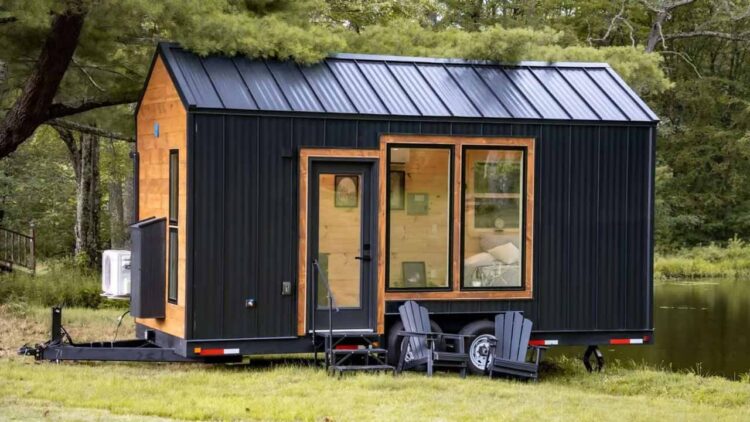
Most $50k tiny houses are about foundational living rather than luxury.
They hit the sweet spot for people who want to live simply without giving up basic comforts like a kitchen or bathroom.
Let’s talk about the basics first:
- Structure: Usually prefab or modular units that are either delivered on a trailer or set on a simple foundation.
- Living Space: Often between 100–300 square feet, with efficient layouts that fit a small living area, kitchen corner, bathroom, and sleeping loft.
- Essentials Included: You can expect insulation, exterior cladding, electricity, basic plumbing, a small kitchenette, and a bathroom with shower and toilet in most models.
- Customization: Minor custom choices are sometimes available — paint colors, window style, maybe finishes — but major upgrades are limited at this price point.
In many cases you’ll find ready-to-move models through dealers or marketplaces, including options like tiny homes for sale in the US that often land around this budget or slightly above.
At this price range, the experience is about functionality with modest comfort. You’re unlikely to find high-end materials like hardwood floors or premium fixtures here, but you will get a cozy, complete tiny living space that’s move-in ready.
A Feature Breakdown at ~$50k
| Feature | Typical Inclusion |
| Square Footage | ~100 to 300 sq ft |
| Kitchen | Small kitchenette with basic appliances |
| Bathroom | Standard shower, toilet, sink |
| Living Area | Built-in seating/storage |
| Insulation | Standard thermal insulation |
| Custom Options | Minimal |
Most buyers at this level choose a prefab model or a manufacturer build that’s mostly finished already. You’ll often save money by avoiding a totally custom design.
Did you know? Tiny houses that are professionally built still cost more per square foot than traditional houses because they pack full home functionality – plumbing, electrical, insulation, and appliances – into every bit of space.
Mid-Range Tiny Homes ($100k): More Comfort, Better Finishes
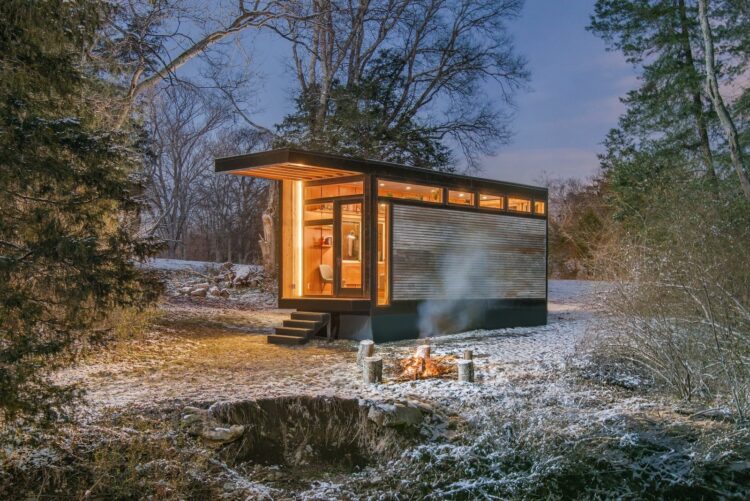
When you bump the budget up to around $100,000, the experience shifts from functional to comfortable. These homes are not just places to live — they’re thoughtfully designed for everyday use.
At this price point, you can expect:
- Better Materials: Upgraded insulation, more durable exterior cladding, possibly wood siding or metal accents.
- Larger Interiors: Many $100k models fall in the 250–400 square feet range. That extra space makes a noticeable difference in how livable the home feels.
- Appliances and Fixtures: Full-size or larger appliances, better kitchen cabinets, tile or nicer bathroom finishes.
- Built-In Storage: Clever cabinetry and storage nooks that truly maximize the space.
Some units near this price can include features like folding tables, built-in shelving, and loft spaces designed for children or guests.
Circular layouts or two-level designs aren’t unusual here either — giving you that homey feel without venturing into luxury pricing.
It’s not just about aesthetics; at $100k you’re likely dealing with better structural components, more efficient energy systems, and often a more polished build that will feel like home rather than a project.
Around $150k: Space, Style, and Higher End Details
At $150,000, tiny homes start feeling a lot closer to traditional construction — just smaller. This price band often includes:
- Custom Builds: You might work with a designer or builder to tailor layouts, finishes, and features to your taste.
- Larger Square Footage: 350–500 square feet becomes possible, and some modular designs even extend beyond that.
- Premium Materials: Solid wood cabinets, stone or tile surfaces, higher-end fixtures, and energy-efficient windows and doors.
- Luxury-Level Amenities: Think full-size appliances, washers and dryers, outdoor decks, multi-level lofts, and even built-in entertainment systems.
This tier basically blurs the line between tiny living and tiny luxury living. You’re not just paying for square feet — you’re buying thoughtful design, longevity, and often features that make the tiny space feel like a miniature version of a bigger house.
What You Can Expect Near $150k
- Bedrooms or lofts designed for adults, not just storage sleep spaces
- Full kitchen with quality appliances
- High-end bathroom design
- More natural light with larger windows
- Maybe even outdoor decks, covered patios, or built-in storage wall units
This is where tiny homes get serious about comfort and aesthetics.
Costs Beyond the Build: What People Often Forget
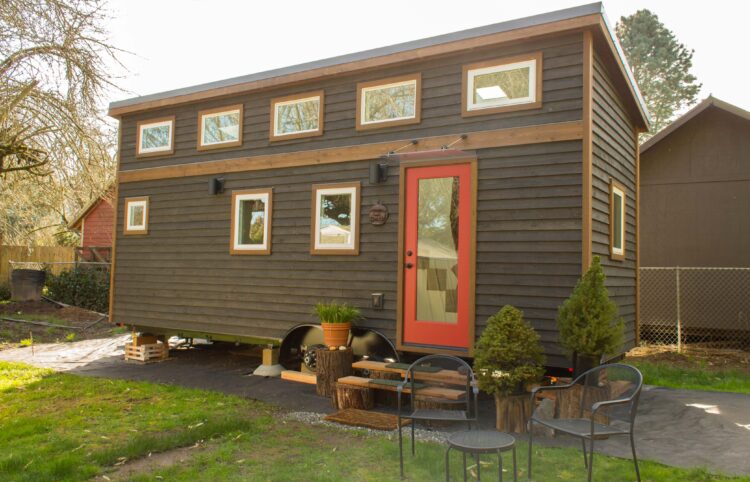
A tiny house price tag covers the build, but it doesn’t always include the things you’ll need to live there comfortably.
Some of these extra expenses are:
- Land purchase or lease costs
- Permitting and zoning fees
- Utility hookups for water, sewer, and electricity
- Transportation and delivery for mobile tiny houses
- Foundation work or site prep
Studies and cost guides note that utilities and site work can add thousands to your total cost — even if the home itself is competitively priced. Thinking ahead to these extras can save surprises later.
Choosing the Right Price Point for Your Tiny Life
So what’s the takeaway? A $50k tiny home usually gets you the basics done well. Around $100k, you’re stepping into comfort and thoughtful design, and at $150k you’re in a space that feels roomy, polished, and more like a full home in miniature.
Choosing between them is really a question about how you want to live: minimalist and affordable, cozy and comfortable, or compact with touches of luxury.
Understanding what’s typical at each price point helps you set realistic expectations and plan your budget smartly.
FAQs
Is zoning a big issue for tiny homes?
Yes — zoning laws vary by location, and some areas treat tiny homes like RVs while others classify them as permanent dwellings. Always check local regulations before buying.
Can I finance a tiny home like a traditional house?
Financing options are more limited for tiny homes. Many buyers use personal loans, RV loans, or pay cash rather than traditional mortgages.
How long does a tiny home last?
With proper maintenance, tiny homes can last decades — similar to traditional houses — especially when built with quality materials and weather-resistant systems.
Do tiny houses appreciate in value?
It depends on location, build quality, and market demand. Some may appreciate, especially in areas where tiny living is popular, but they don’t always follow traditional real estate trends.
Can I install solar or live off-grid?
Absolutely. Many tiny homeowners incorporate solar, composting toilets, or rainwater systems to reduce utility costs and boost sustainability.