
Online betting platforms usually get talked about in extremes. Either they’re framed as complicated tech products driven by algorithms, or reduced to loud marketing campaigns and bonus offers. The reality is far less dramatic. What made platforms settle into mainstream sports culture has less to do with big innovation and more to do with timing. They arrived just as the way people watch sport started to change. And they fit.
Table of Contents
Watching Sport Isn’t a Single-Screen Activity Anymore
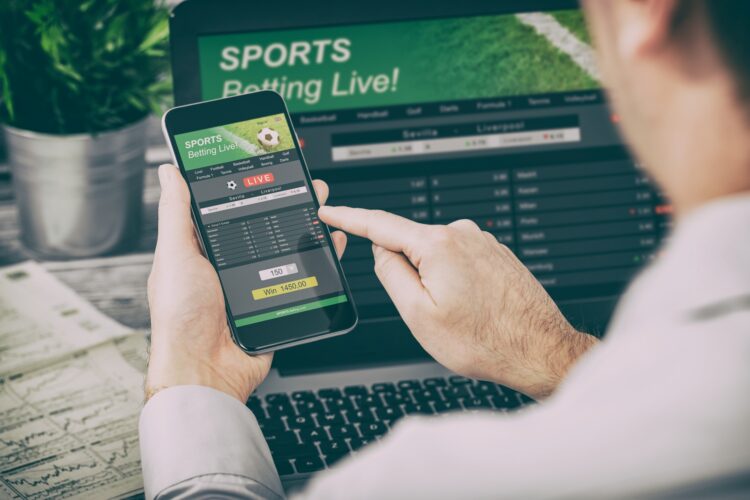
The biggest shift didn’t happen inside betting apps. It happened in living rooms. Very few fans now sit through an entire match with full, uninterrupted focus. Phones are nearby. Scores from other games flash up. Fantasy notifications pop in.
Someone sends a message about a controversial decision. Attention moves constantly between screens. Betting apps like Betway grew inside that environment. They don’t require a separate mental mode.
You open the app, glance at the odds, maybe place something small, and go back to watching. It feels closer to checking live stats than walking into a betting shop. That matters. People don’t adopt new habits easily. But they will accept tools that slide into habits they already have.
From One Big Bet to Several Small Decisions
Offline is used to revolve around a single commitment. You picked a result before kickoff and lived with it. Online betting changed that structure. Now decisions happen in fragments. A pre-match bet. A halftime adjustment.
Maybe a live bet after a red card or injury. Each action is smaller. Less dramatic. But more frequent. This doesn’t necessarily make betting more reckless. It makes it more situational. People aren’t just predicting outcomes anymore.
They’re reacting to what they see unfold. When a team dominates possession for fifteen minutes, the instinct isn’t to admire it. It’s to consider what that pressure might lead to. The app becomes part of the viewing rhythm.
Simplicity Wins During Live Sport

There’s a reason the most-used betting markets are usually the simplest ones. Match result. Total goals. Next team to score. When a game is live, clarity beats creativity. Nobody wants to pause a match to decode a complex wager.
The options that work best are the ones that make immediate sense in context. If a match feels open, totals markets feel natural. If one team looks sharper, the next-goal market becomes intuitive. Betting apps that lean into familiar structures tend to blend in better. The interface doesn’t interrupt the game. It supports it.
Live Betting Changed How Fans Pay Attention
Live betting didn’t just expand options. It changed how matches are watched. Instead of focusing only on the scoreboard, viewers start noticing tempo shifts, tired defenders, risky challenges, or substitutions that alter momentum.
These details were always part of sport. Now they carry direct consequences for bettors. A red card isn’t just a talking point. It moves odds instantly. A striker missing two clear chances might shorten or drift a line within minutes. This responsiveness makes sport feel less static. The narrative isn’t just who wins. It’s what happens next. And that layer keeps people checking in.
The Role of Mobile Design

Mobile phones didn’t invent online betting, but they made it constant. Design matters here more than people realise. If an app feels crowded, confusing, or slow, it competes with the match itself. If it feels predictable and quick, it becomes secondary.
Most betting interactions are brief. Open. Check. Maybe place. Close. The app doesn’t need to dominate attention. It just needs to behave consistently. That reliability is what keeps it from feeling intrusive.
Betting as Conversation
Another quiet shift is social. Betting used to be private. Now it’s often discussed openly. Friends mention odds during halftime. Group chats compare small bets. Social media reactions sometimes reference spreads as naturally as final scores.
The act of betting blends into broader sports conversation. It’s not unusual to hear someone say, “That goal just ruined my over,” in the same tone as a tactical comment. That casual integration says more about how betting apps have evolved than any feature list.
Habit, Not Hype
What really drove growth wasn’t advertising alone. It was repetition. Open app before kickoff. Check lines. Repeat next weekend. The more predictable the experience, the more it becomes routine.
When withdrawals are smooth, odds load quickly, and markets appear when expected, users stop thinking about the mechanics. The app fades into the background. That’s the point where it becomes part of everyday viewing rather than a separate event.
Why It Feels Normal Now
The core idea of betting hasn’t changed. You’re still wagering on uncertainty. What changed is proximity. Betting apps now sit beside the match, not before or after it. They move at the same speed as the broadcast.
They respond to the same moments viewers are reacting to in real time. As sport became more fragmented and multi-screen, betting simply followed. It didn’t demand new behaviour. It mirrored existing behaviour. That’s why it doesn’t feel disruptive anymore. It feels like part of the ecosystem. Checking odds has become as routine as checking lineups. Not dramatic. Not revolutionary. Just integrated.