Personalized products carry meaning beyond their function. A mug with a photo, a t-shirt with a slogan, or a keychain with a favorite character becomes a keepsake because of the personal touch.
But behind every great personalized product is a critical decision: the choice of materials.
The material determines not only the durability and look of the item but also how well it holds customization methods like printing, engraving, or embroidery.
This guide will walk you through the key materials used in popular personalized items, helping you match the right base to your design ideas.
Table of Contents
Acrylic for Sleek and Versatile Designs
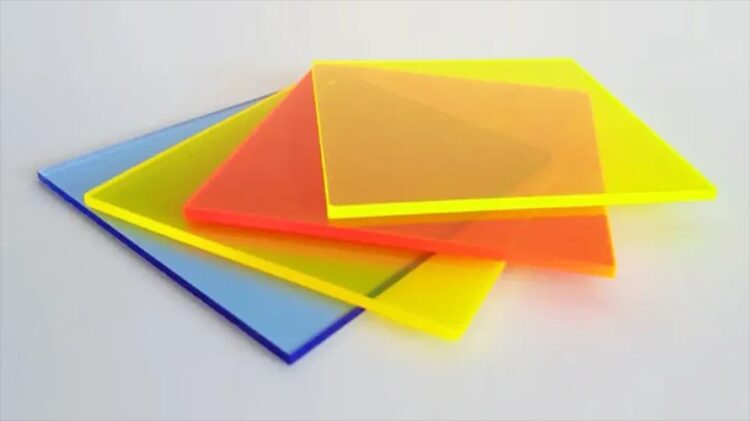
One of the most versatile materials for small, personalized accessories is acrylic. Known for its clarity and resilience, acrylic is a favorite for items like keychains, charms, signs, and small display pieces. It mimics the appearance of glass while being much lighter and more resistant to breakage.
If you’re looking for affordable personalization, an acrylic keychain custom option is a great choice. Acrylic not only holds printed or engraved designs clearly but also allows creative layering, glitter fillings, and shaped cuts. Because of its flexibility, it appeals to artists, businesses, and gift-givers who want crisp visuals without spending too much.
In addition, acrylic is water-resistant and retains its shine, which means items like charms or keychains stay looking new even after heavy use. For businesses, this makes acrylic-based products excellent promotional items.
Fabric Choices for Personalized Apparel
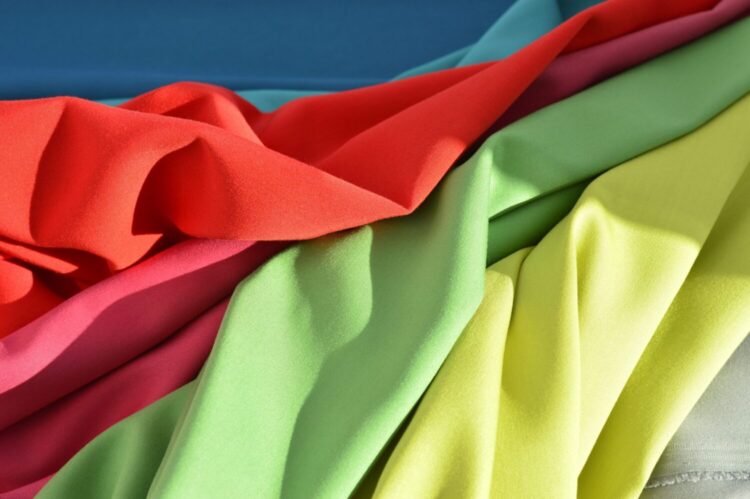
Textiles dominate the personalized market, with t-shirts, hoodies, caps, and tote bags leading the way. But not all fabrics react the same to printing or embroidery. Choosing the right one depends on your customization method:
- Cotton: The gold standard for comfort. Cotton is breathable, soft, and ideal for direct-to-garment printing and screen printing. However, it may shrink if not pre-shrunk.
- Polyester: Durable and resistant to wrinkles. Polyester is best for sublimation printing, where dyes bond directly to the fibers for vivid, long-lasting colors.
- Blends (e.g., cotton-poly): These combine the best of both worlds, offering softness with added durability. They also tend to be more cost-effective for bulk orders.
If your design relies on vibrant colors, polyester will hold them better. For a premium feel, 100% cotton is hard to beat.
Metals for Engraved Gifts
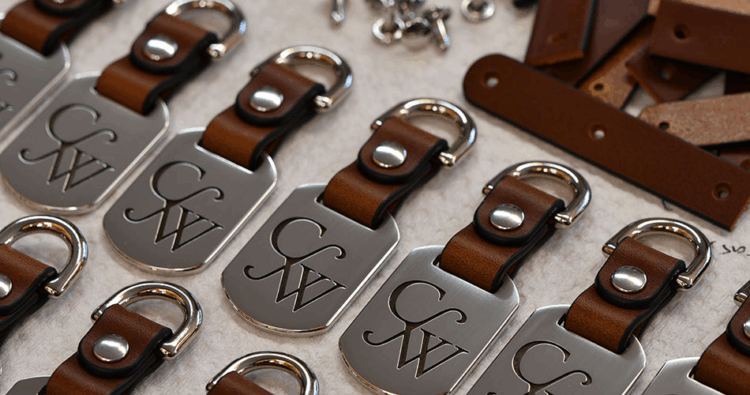
When permanence is a priority, metals are unbeatable. Stainless steel, aluminum, brass, and even precious metals like silver are widely used for items such as jewelry, pens, plaques, and tumblers.
- Stainless Steel: Extremely durable, corrosion-resistant, and great for laser engraving.
- Aluminum: Lightweight and cost-effective, though slightly less durable.
- Brass and Silver: Chosen more for aesthetic appeal and luxury than practicality.
Metals are excellent when engraving is the preferred method of personalization, since the marks are etched directly into the surface and won’t fade over time.
Wood for Natural Warmth
Wood stands apart for its organic look and warm aesthetic. Personalized wood items, such as cutting boards, ornaments, coasters, and signs, feel rustic yet sophisticated. Laser engraving works particularly well on wood, creating sharp, darkened designs.
Different woods bring different qualities. Hardwoods like maple and oak are sturdy and hold engravings well, while softer woods like pine may be more affordable but dent easily.
For eco-conscious customers, bamboo has also become popular because it’s sustainable and has a distinctive grain.
Glass and Ceramic for Elegant Keepsakes
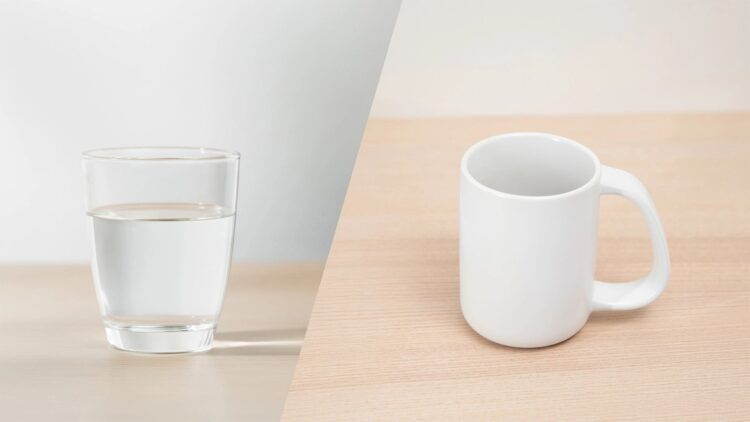
For items intended as gifts or keepsakes, glass and ceramic remain timeless. They offer an elevated look and can carry both sentimental and professional appeal.
- Ceramic: Mugs, tiles, and ornaments are commonly customized with sublimation or screen printing. Ceramic maintains color vibrancy well but needs to be handled with care.
- Glass: Great for etched designs, awards, or photo frames. While elegant, glass is fragile and often reserved for decorative rather than practical items.
These materials work best when the personalization is meant to be displayed rather than used in rough, everyday contexts.
Plastic for Everyday Affordability
While acrylic is technically a type of plastic, other plastics are commonly used for budget-friendly personalized items. Polycarbonate and polypropylene, for example, appear in custom water bottles, phone cases, and promotional products.
Plastics are lightweight, inexpensive, and often resistant to impact. However, not all plastics hold printing equally well, and over time, cheaper options may yellow or warp. Choosing higher-quality plastic is worth the extra cost if longevity matters.
Leather for Luxury Appeal
Leather and faux leather add sophistication to personalized items like wallets, journals, belts, or luggage tags. Both laser engraving and embossing methods work well, giving products a premium, tactile finish.
- Genuine Leather: Long-lasting and develops a unique patina with use.
- Faux Leather: More affordable, vegan-friendly, and still offers a sleek surface for customization.
For businesses aiming to make an upscale impression, leather goods provide a balance of practicality and style.
Factors to Consider Before Choosing a Material
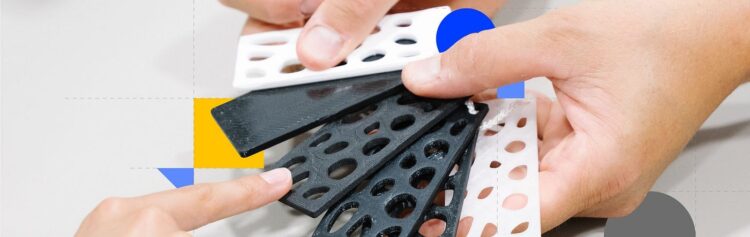
When selecting materials for your personalized items, there are several aspects worth evaluating beyond aesthetics:
- Durability: Will the item be used daily or kept as a keepsake?
- Customization Method: Printing, engraving, embroidery, and sublimation all have specific requirements.
- Budget: Materials vary significantly in cost, so balance price with intended value.
- Audience: Consider whether your target users prefer practicality, luxury, or sustainability.
- Environmental Impact: Eco-friendly options like bamboo or recycled materials can appeal to conscious buyers.
By weighing these factors, you ensure the final product not only looks good but also performs well for its intended use.
Bringing It All Together
The material you choose for personalized items is the foundation on which your design lives. Acrylic makes fun, affordable accessories, metals ensure durability, fabrics provide comfort and wearability, while wood and leather bring natural character.
Each material opens different creative opportunities and caters to specific needs, whether it’s for business promotion, personal gifting, or long-term keepsakes.
Making an informed choice helps your custom item truly shine. Rather than treating materials as an afterthought, think of them as the key ingredient that defines the final result.
A thoughtful match between design and base material is what transforms an ordinary product into a memorable, personalized piece.