Not every talented artist finds their work represented by a gallery, and honestly, that’s okay. The art world today offers so many creative, independent paths for showcasing and selling your work directly.
Whether you’re just starting out or have been creating for years, promoting your art without a gallery can feel empowering. In this guide, I’ll share practical, modern ways to build your audience, make sales, and stay true to your style.
Table of Contents
1. Build Your Online Presence With Intention
If you want people to see your art, you have to be where they’re looking, and that’s online. Setting up a professional-looking website or portfolio is a must. It doesn’t have to be fancy, but it should clearly showcase your work, tell your story, and provide a way for people to contact or buy from you.
Social media platforms like Instagram, Pinterest, and TikTok have become powerful spaces for visual artists. What’s important here isn’t just posting your art, but doing so thoughtfully. Consider these tips:
- Share behind-the-scenes glimpses of your process, people love seeing the journey, not just the finished piece.
- Use relevant hashtags and location tags to reach a broader audience.
- Engage with other artists and potential customers; meaningful comments go a long way.
Remember, consistency matters. Posting regularly, even if it’s once or twice a week, keeps your work in front of people.
2. Make Your Work Pop With Creative Displays
Art markets, fairs, and pop-ups offer a chance to connect with buyers in person, but how you set up your space matters just as much as the work itself. A cluttered or flat display can cause people to pass by without really seeing your pieces.
Consider using thoughtful props that elevate your presentation without distracting from the art. For example, setting up small prints or miniature canvases on an acrylic stand helps them catch the light and draw the eye. It’s a subtle detail, but it can help your table or booth look more polished and professional, giving people a reason to stop and engage.

3. Collaborate With Local Businesses
Your community is full of opportunities if you’re open to partnerships. Cafés, bookstores, coworking spaces, and salons are all places where people gather, and many are happy to feature local artists on their walls.
Approach these businesses with a short, friendly proposal:
- Include clear photos of your work.
- Explain how displaying your art could enhance their space.
- Offer a timeframe (e.g., a one- or two-month rotation).
It’s a win-win. They get fresh décor, and you get exposure to their customers. Sometimes these collaborations even lead to sales right off the wall.
4. Join Online Marketplaces and Print-On-Demand Platforms
If you’re not represented by a gallery, you can still make your work available to a global audience. Online marketplaces like Etsy or Saatchi Art, and print-on-demand services like Redbubble or Society6, allow you to upload your art and sell it in various forms, from prints to home goods.
What’s great about these platforms is that they handle much of the logistics, including payment processing and shipping (especially with print-on-demand). This frees up more time for you to focus on creating.
Of course, success on these platforms requires effort. You’ll need:
- High-quality photos or scans of your work.
- Descriptive, keyword-rich titles and tags to improve search visibility.
- A well-thought-out pricing strategy.
5. Teach or Host Workshops
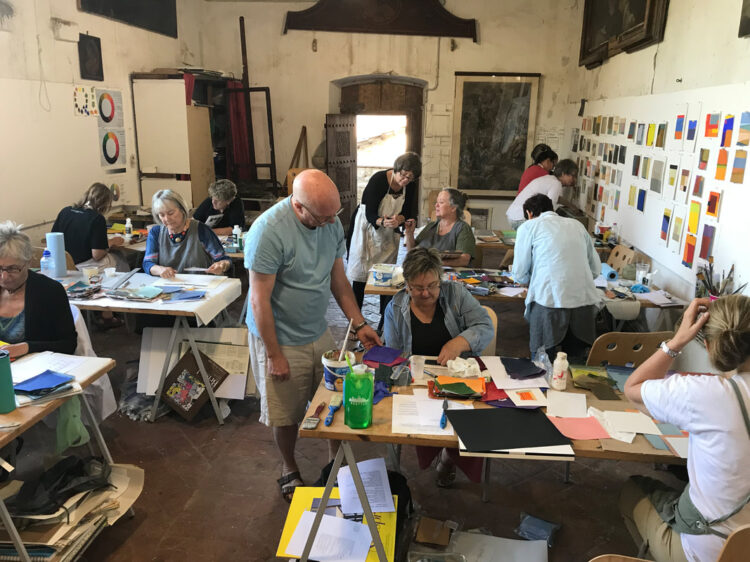
Sharing your skills is a powerful way to promote your art while building community connections. Consider hosting a local workshop, offering private lessons, or creating an online class.
Teaching not only generates income but positions you as an expert in your medium. People who learn from you are more likely to support your art, recommend you, or commission custom pieces.
Plus, workshops provide ready-made content for your website or social channels, from photos of students creating to testimonials.
6. Create and Share a Newsletter
Email is still one of the most effective ways to promote your art without relying on galleries or social algorithms. Starting a simple newsletter lets you build a list of people who are genuinely interested in your work.
What should you share? Think beyond just sales pitches. Include:
- Studio updates and works-in-progress.
- Upcoming event announcements.
- Stories behind specific pieces.
- Early access to new work or special offers.
A monthly or bi-monthly newsletter keeps your audience engaged and builds long-term relationships.
7. Show at Alternative Venues
If traditional galleries aren’t an option, think creatively about where art can live. Many artists find success showing in places like:
- Art festivals and open studio tours.
- Artisan markets or themed pop-up events.
- Hotels, boutique shops, or even outdoor spaces.
When choosing venues, consider where your ideal buyers are likely to spend time. Are they attending food festivals? Visiting craft breweries? Shopping at high-end boutiques? Meet them where they are.
8. Build Personal Relationships
At the heart of art promotion is connection. People buy art because they feel something about the piece, the artist, or the story. Take time to:
- Reply to comments and messages thoughtfully.
- Follow up with past buyers or those who expressed interest.
- Be authentic in your communications; your personality is part of your brand.
In an age of digital overload, genuine relationships stand out.
9. Don’t Forget the Power of PR
Finally, consider ways to get your work featured in local media, blogs, or podcasts. You might pitch a story about an upcoming show, your artistic journey, or a unique project.
Local papers, arts magazines, or even lifestyle bloggers are often looking for interesting content, and your story could be just what they need. Having coverage not only raises your profile but also adds credibility when you share it with your audience.
Final Thoughts
Promoting your art without a gallery might seem daunting at first, but it’s also incredibly freeing. You control the narrative, choose how and where your work appears, and build direct connections with those who appreciate what you create.
By combining these strategies, from digital tools to personal connections, you can carve out your own successful, fulfilling path as an artist.