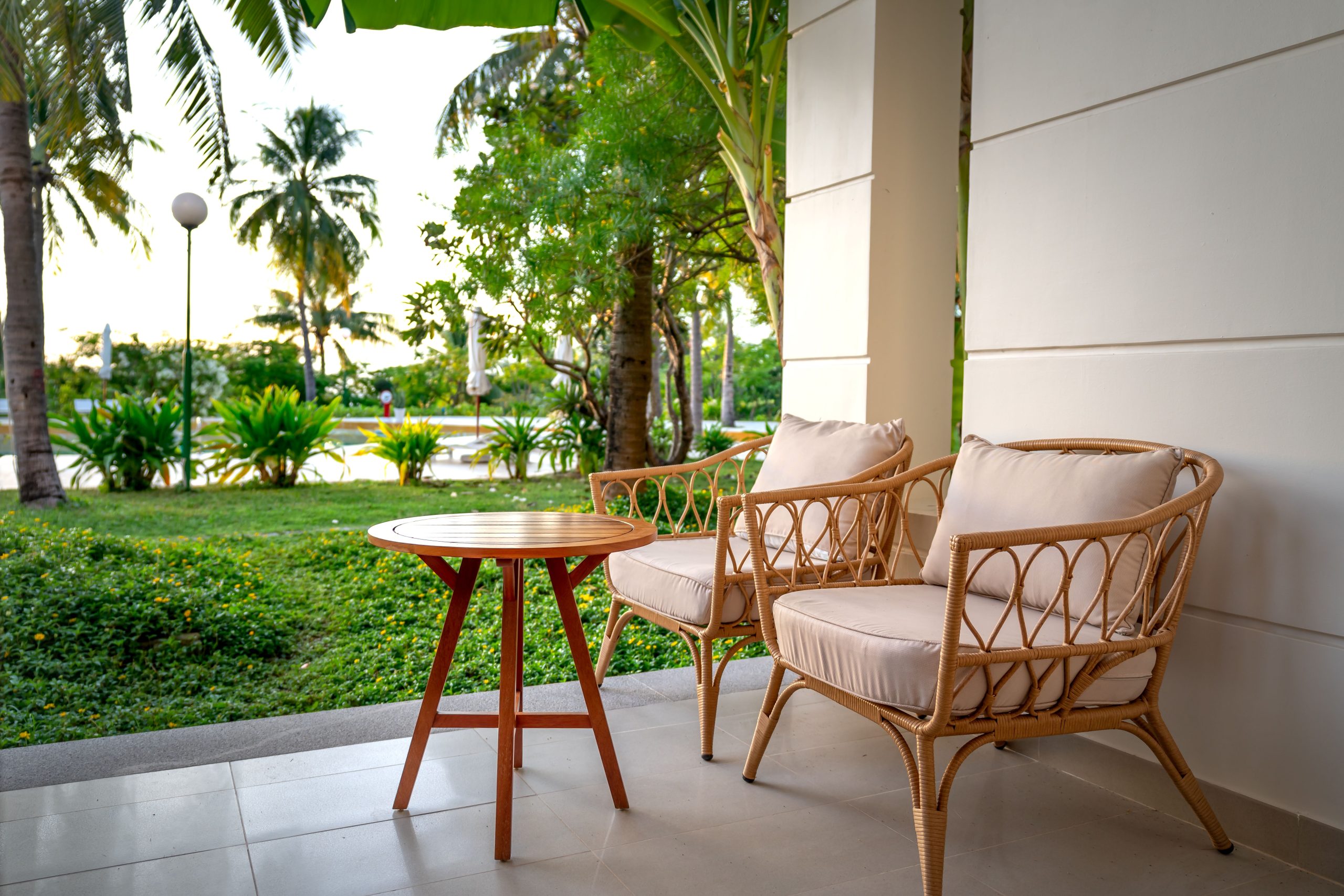
A relaxing garden does not need to look like a spa brochure. It needs to make a useful pause easy to take: a chair that is comfortable enough to use, a path that invites a slow walk, planting that softens the view, and lighting that does not turn the evening into a work zone.
That practical definition matters. Research points to a generally positive relationship between green space, gardening, and wellbeing, but the evidence is mixed in quality and does not identify one perfect garden formula. The most convincing approach is therefore not to chase a fashionable “wellness” feature. It is to design a space that helps you do more of the things that already support you: rest, move, notice, make, and connect.
In this guide, the aim is a garden that people will actually use on an ordinary Tuesday.
Table of Contents
Table of Contents
- Why a garden can support wellbeing
- Start with the feeling, not the shopping list
- The five elements of a restorative garden
- A simple planning framework
- Making a small garden feel calmer
- Keep maintenance from becoming the new stress
- Turn the space into a daily habit
- Frequently asked questions

Why a garden can support wellbeing
There are several plausible pathways, and they often overlap. A garden can provide a setting for light physical activity, a change of visual focus, contact with living things, and informal time with other people. It can also give the day a more noticeable rhythm: watering in the morning, harvesting herbs at lunchtime, or sitting outside before dinner.
A 2024 umbrella review in Systematic Reviews combined findings from 40 previous reviews. Its meta-analysis found a positive effect on wellbeing, but the authors also reported substantial variation between studies and cautioned against strong clinical conclusions. In other words, gardening looks promising; it is not a guaranteed treatment.
The World Health Organization makes a similarly useful point in its review of green and blue spaces: there is no single type of space or design characteristic that works best for everyone, everywhere, and at every time. That is good news for homeowners. A restorative garden does not have to copy a Japanese courtyard, a country cottage garden, or an expensive hotel terrace.
It does have to fit the person using it. A garden designed for quiet reading may frustrate someone who feels better while pottering, cooking, or talking. Before choosing materials, decide what kind of recovery you want the garden to support.
Start with the feeling, not the shopping list
Choose one primary use and two secondary uses. For example, the primary purpose might be decompression after work, with morning coffee and weekend meals as secondary uses. This stops the space becoming a catalogue of disconnected features.
- For decompression: prioritise visual shelter, a comfortable seat, softer lighting, and a clear view of foliage.
- For gentle movement: create a loop or destination path, use stable surfaces, and place useful plants at accessible heights.
- For attention and creativity: include containers, a potting surface, fragrant herbs, or seasonal plants that reward close observation.
- For connection: make seating face one another rather than placing every chair in a row facing the lawn.
My preference is to make one small area excellent before improving the whole garden. A finished corner creates a reliable invitation; an ambitious project spread thinly across the plot often creates another unfinished task.
The five elements of a restorative garden
1. A clear threshold
The transition from indoors to outdoors should feel deliberate. A step, change of paving, pergola, arch, or simply a planted entrance can mark the move away from household routines. Keep the route uncluttered and make the first view attractive from the doorway. If reaching the quietest seat involves moving bins, navigating muddy ground, or crossing a maintenance area, it will lose the competition with the sofa.

2. Privacy without total isolation
Privacy helps a garden feel like a refuge, but a completely enclosed space can feel dark, cramped, or disconnected. Use layers rather than one solid barrier: a fence or screen, planting at different heights, and a partial overhead element such as a pergola or tree canopy.
When a boundary needs to be durable and low-maintenance, compare materials for appearance, repairability, drainage, and long-term upkeep rather than choosing on colour alone. A useful starting point for researching composite fencing is to consider how much privacy you need, what will sit in front of it, and whether the finished boundary will make the space feel sheltered or boxed in.
3. Plants that engage more than one sense
Visual greenery is only part of the experience. Combine leaf shapes, movement, scent, texture, and seasonal change. The best plant list is not the one with the most varieties; it is the one that gives you something to notice in more than one month of the year.
- Use grasses and fine-leaved plants for movement in a breeze.
- Place strongly scented plants near a path or seat where they can actually be encountered.
- Mix evergreen structure with seasonal planting so winter does not become a blank period.
- Choose non-toxic plants where children or pets may explore the garden.
- Leave some seed heads or habitat areas if they can support local wildlife without making the space difficult to use.
There is no need to turn the garden into a botanical collection. Repetition usually feels calmer than constant novelty: repeat a few forms and colours, then add small seasonal surprises.
4. A soundscape that earns its place
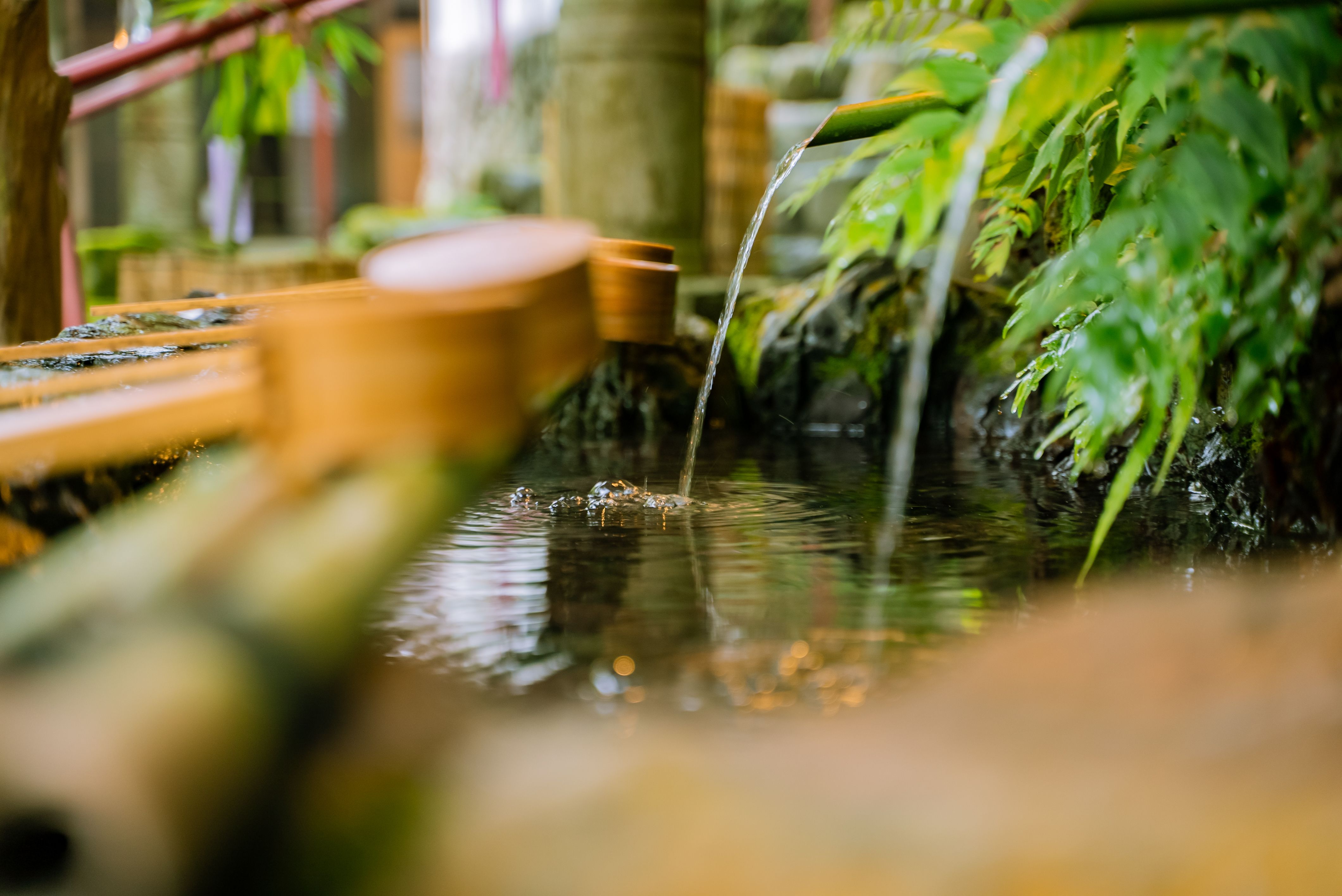
Sound can mask traffic, soften neighbour noise, or become an irritating maintenance burden. Water features are appealing because flowing water supplies a consistent, close-range sound, but pumps need cleaning and safe installation. If you cannot maintain a feature, try planting that moves in the wind, a gravel path, or a bird-friendly planting scheme instead.
5. Lighting for comfort, not spectacle
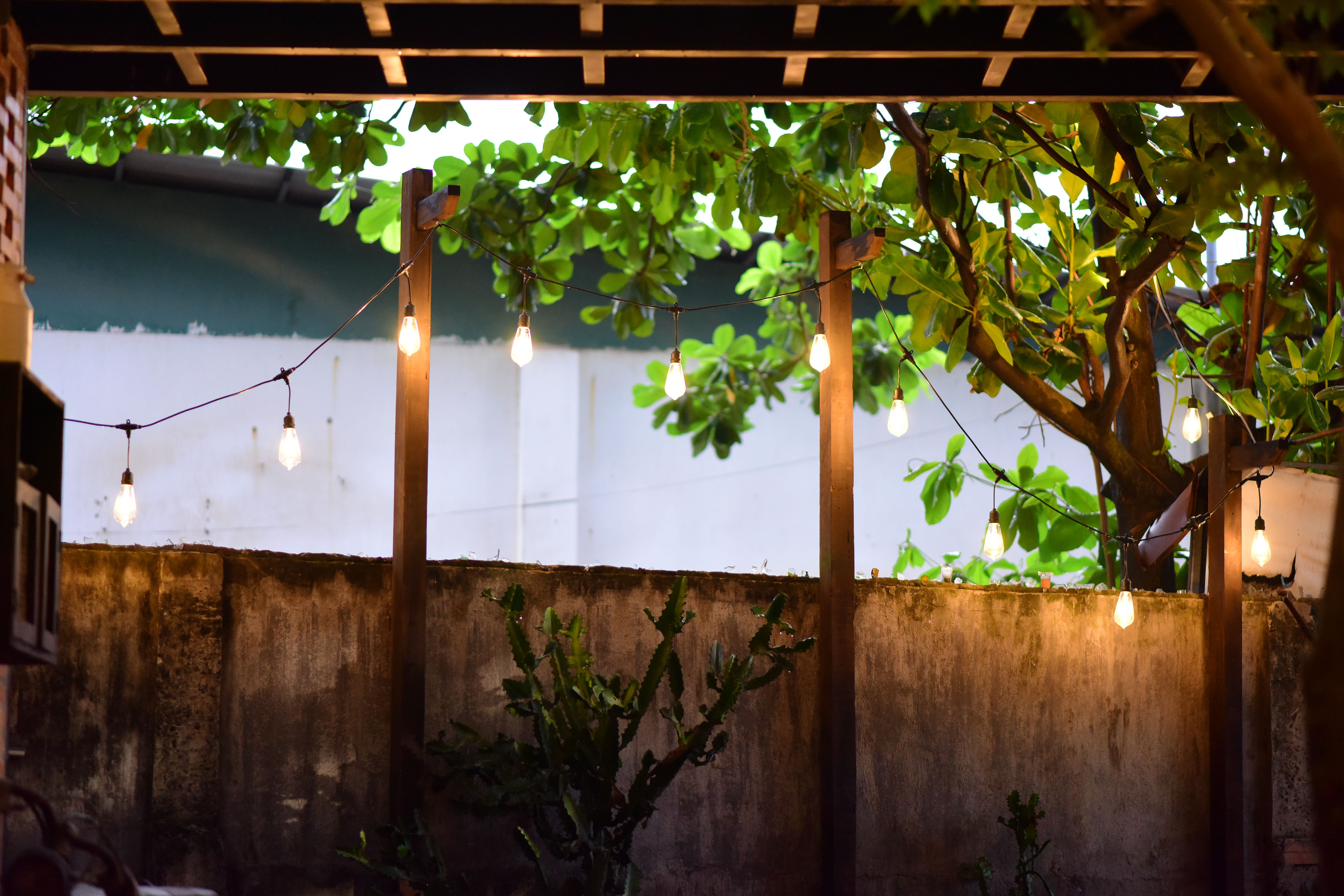
Evening lighting should help people see steps, edges, and paths while preserving the darker parts of the garden. Warm, low-level light is generally less visually demanding than bright overhead illumination. Aim fixtures at surfaces rather than directly at eye level, and use timers or controls so the garden does not glow unnecessarily all night. For more ideas, see our guide to garden decor for outdoor gatherings.
A simple planning framework
The table below turns a vague goal such as “make the garden calmer” into decisions you can test. Start with the rows that solve a real obstacle in your space.
| Garden element | Wellbeing function | Practical low-fuss choice | Question to test first |
|---|---|---|---|
| Seat | Rest and observation | One supportive chair with a small side surface | Can I sit here comfortably for 15 minutes? |
| Path | Gentle movement and transition | Stable, non-slip route with a visible destination | Does it encourage walking rather than cut across the lawn? |
| Boundary | Privacy and visual calm | Layered screen with planting in front | Does it block distractions without blocking daylight? |
| Planting | Sensory attention and seasonal interest | Repeated shapes plus a few scented or tactile plants | Is there something worth noticing in every season? |
| Water or movement | Sound and visual focus | Small maintainable feature, grasses, or moving foliage | Will the upkeep be quieter than the benefit? |
| Lighting | Safety and evening use | Low-level, warm, targeted fixtures | Can I see the route without losing the night sky? |
This is a design checklist, not a clinical prescription. The most successful choice is the one that removes a barrier to using the space.
Making a small garden feel calmer
A small garden benefits from editing. Too many competing features make the space feel busy, while too much bare paving can make it feel exposed. Use one strong line of movement, one main seating position, and a limited planting palette.
- Raise planters or use wall planting to preserve floor space.
- Use a mirror cautiously and position it to reflect foliage rather than a neighbour’s wall or clutter.
- Keep storage visually quiet; a calm seating area loses its effect if tools dominate the view.
- Choose furniture that can remain outside or be moved easily, so using the garden does not require preparation.
- Use a diagonal view or a partially hidden destination to make a compact garden feel deeper.
For balconies and courtyards, the same principles apply at a smaller scale. A pot of fragrant herbs beside a chair can do more for everyday use than six decorative containers positioned out of reach.
Keep maintenance from becoming the new stress
Garden advice often treats maintenance as an afterthought. That is a mistake when wellbeing is the goal. An overgrown, thirsty, or constantly repaired garden can produce guilt rather than restoration.
Design a “minimum viable garden”: the version that still feels pleasant after a busy fortnight. Group plants with similar watering needs, use mulch where appropriate, choose ground cover for difficult areas, and keep the most frequently used route easy to clear. Leave room for imperfection. A few fallen leaves are not a design failure.
The WHO’s work on green-space interventions also stresses access, safety, and participation. At home, that translates into practical inclusion: stable paths, seating with arms, manageable thresholds, shade in hot weather, and enough lighting to move safely. A garden only supports wellbeing if the intended user can reach and use it.
Turn the space into a daily habit
The garden becomes restorative through repetition, not through a single dramatic makeover. Attach short visits to routines already in place:
- Drink the first cup of tea outside before checking messages.
- Walk the path once after work and notice three changes in the plants.
- Spend ten minutes watering or deadheading without turning it into a full gardening session.
- Use the evening seat for conversation rather than bringing every social moment indoors.
- Keep a blanket, cup, or book nearby so the space is ready when you are.
Do not measure success by how often you feel serene. Some days the garden will be noisy, cold, or simply irrelevant. Its value is more modest and more realistic: it gives you an accessible setting in which a small, helpful action is easier to begin.
If persistent anxiety, low mood, sleep problems, or loss of interest are affecting daily life, seek appropriate professional support. A garden can complement care and create useful routines, but it should not be asked to carry the whole burden.
Frequently Asked Questions
Let the garden lower the threshold for feeling better
The strongest wellbeing feature in a garden is rarely the most expensive one. It is the detail that makes a beneficial pause feel almost effortless: a path that is pleasant to walk, a seat that faces something alive, shade when the afternoon is harsh, or a boundary that lets you stop performing for the outside world.
Build that invitation first. Add beauty as you learn how the space is actually used. Over time, the garden can become less a project to finish and more a dependable place to return to, in whatever state the day has left you.