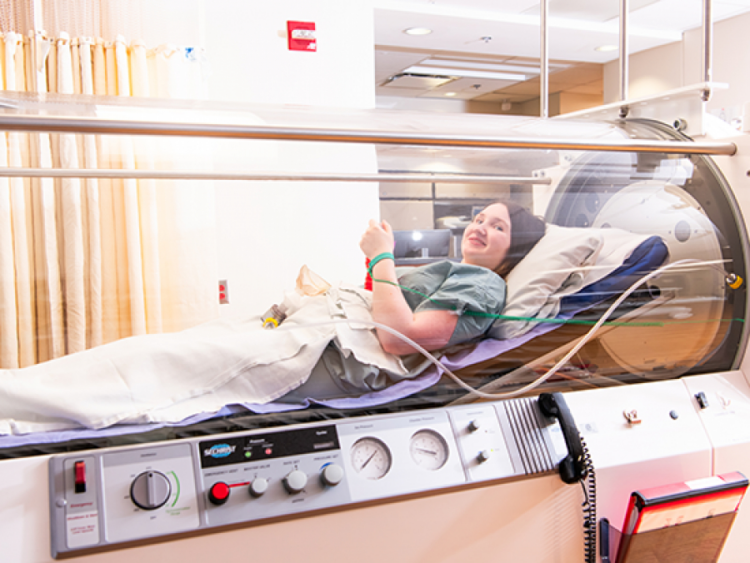
Hyperbaric oxygen therapy has gained attention for its potential role in brain healing, especially for individuals recovering from concussions and mild traumatic brain injuries.
Readers searching this topic want clarity about what HBOT can realistically do, how it interacts with brain physiology, and why it is being studied so actively.
This article walks through those mechanisms in a grounded, clinically informed way, while keeping the flow natural and easy to follow.
The sections below unpack how oxygen pressure changes influence brain tissue, what research suggests about recovery timelines, and how treatment environments affect a patient’s comfort and adherence.
Table of Contents
How HBOT Supports Brain Physiology After Injury

After a concussion, the brain enters a period of metabolic disturbance. Glucose use becomes inefficient, inflammation rises, and the damaged tissue struggles to receive adequate oxygen. HBOT exposes the body to high purity oxygen in a pressurized chamber, which increases the amount dissolved into plasma.
This helps stabilize energy production, making it easier for neurons to recover from the initial chemical cascade that occurs after impact.
Studies on chronic brain injuries also suggest improvements in microcirculation, which is important for regions that experience reduced blood flow after trauma.
While responses can vary, this physiological foundation explains the growing interest in HBOT as an adjunctive support for brain recovery.
Where Treatment Environment Matters Most
Before exploring protocols, it helps to understand why treatment setting plays such a large role in patient outcomes.
Comfort, consistency, and chamber design influence whether individuals remain committed to multi session therapy.
Regions known for luxury oriented HBOT experiences have shaped patient expectations, and people who have undergone care in established locations often compare new facilities with what they experienced earlier.
Conversations about chamber quality frequently reference hyperbaric therapy Los Angeles as an example of how large, non claustrophobic spaces improve adherence during longer treatment cycles.
This type of environment helps individuals stay relaxed during oxygen sessions, especially those recovering from concussions who may be sensitive to confined spaces and noise.
How HBOT Interacts With Brain Healing Pathways
Before outlining therapy considerations, it is helpful to explain how pressurized oxygen influences biological processes specific to concussion recovery. HBOT has been associated with increased oxygen diffusion into areas where blood flow has been compromised.
This supports ATP production, which is critical for neuronal repair. Research has also shown potential reductions in neuroinflammation, partly due to the way HBOT affects cytokine signaling.
These effects can create conditions where neural networks regain their functional stability more efficiently.
Clinicians also speculate that improved oxygenation may encourage neuroplasticity, allowing the brain to reorganize pathways disrupted by trauma.
The combination of metabolic support and inflammation control makes HBOT a unique topic in concussion medicine.
Key Mechanisms Involved
- Increased dissolved oxygen in plasma improves delivery to injured tissue.
- Reduced inflammatory markers help stabilize the post concussion cellular environment.
- Enhanced mitochondrial efficiency supports overall brain energy restoration.
- Potential stimulation of neuroplasticity assists with cognitive rehabilitation.
Common HBOT Protocols For Concussion Recovery

HBOT for brain injuries typically involves repeated sessions rather than one time exposure.
Treatment programs may include 20 to 60 sessions depending on injury severity, with each lasting around 60 to 90 minutes.
Pressure settings vary, but many protocols fall between 1.3 and 2.0 ATA. A structured schedule is important because the benefits accumulate gradually as oxygen rich plasma repeatedly reaches compromised areas.
Combined with traditional therapies such as vestibular training or cognitive rehabilitation, HBOT can help create a more supportive healing environment.
Patients often report progressive improvements in concentration, headaches, and overall energy levels over the course of multi week programs.
Definition: Mild traumatic brain injury describes any head impact that temporarily disrupts normal brain function, including changes in consciousness, memory, mood, or balance, even if imaging appears normal.
How HBOT Influences Brain Recovery Stages
The table below highlights the multi-layered nature of brain recovery. HBOT does not replace standard care, but it may assist in reducing symptom duration and supporting overall neurological resilience.
| Recovery Stage | Potential HBOT Role |
| Acute inflammation | Supports oxygen delivery and may reduce inflammatory activity |
| Metabolic imbalance | Helps restore ATP production and efficient energy use |
| Cognitive dysfunction | May improve blood flow to regions involved in attention and memory |
| Long term symptoms | Supports microcirculation and tissue oxygenation in chronic stages |
The gradual progression across these phases reflects how the brain rebalances itself after trauma.
Oxygen Levels Affect Cerebral Blood Flow
A lesser known fact about HBOT is its impact on how blood vessels in the brain respond to oxygen saturation.
When oxygen levels rise significantly, the diameter of certain vessels changes, improving distribution to areas that need it most.
This redistribution effect is being studied for its potential to reduce the persistence of post concussion headaches.
Understanding this mechanism helps explain why some individuals report cognitive clarity shortly after sessions.
The brain is highly sensitive to even small shifts in oxygen concentration, and HBOT leverages this sensitivity to encourage functional recovery in a controlled, measured way.
Integrating HBOT Into Comprehensive Concussion Care

Most clinicians specializing in brain injuries emphasize that HBOT works best when paired with other forms of rehabilitation.
Cognitive exercises, balance retraining, and guided return to physical activity are foundational parts of recovery.
HBOT may help unlock greater benefit from these therapies by stabilizing cellular energy levels and reducing inflammation, making the brain more responsive to rehabilitation.
Some patients experience fewer setbacks when HBOT is included because oxygen enriched environments can reduce symptom flares during exertion therapy.
This layered approach often produces more sustainable progress than using a single treatment modality.
Practical Considerations For Patients
- Review medical history and imaging with a specialist before starting.
- Expect gradual changes rather than immediate transformation.
- Combine HBOT with cognitive or physical rehab for best results.
- Remain consistent with scheduling to maximize cumulative effects.
What Current Research Says About Outcomes
Scientific interest in HBOT for concussions has expanded rapidly over the past decade. Studies exploring mild traumatic brain injuries have reported improvements in attention, processing speed, fatigue, and sleep quality among certain participants.
Research on military populations, who experience concussive injuries frequently, has also indicated potential reductions in long term post concussion symptoms.
While more controlled trials are needed to determine ideal dosage and timing, the trend of findings suggests that HBOT can complement existing treatments effectively.
The diversity of protocols studied reflects the complexity of brain recovery, which depends on injury type, age, and pre existing health factors.
Selecting The Right Treatment Path

Choosing whether to incorporate HBOT into concussion recovery requires an understanding of individual needs and goals.
Some patients prioritize reducing headaches and cognitive fog, while others seek improved endurance for daily activities.
Consultation with a brain injury specialist ensures that expectations remain realistic and aligned with evidence based care. Treatment consistency, environment, and pressure setting all influence outcomes, making informed decisions important.
Conclusion
Hyperbaric oxygen therapy offers a unique physiological pathway for supporting brain health and concussion recovery.
Its ability to increase oxygen availability, stabilize metabolism, and influence inflammation positions it as a compelling adjunct to standard rehabilitation.
When combined with structured cognitive and physical therapies, HBOT may help patients regain clarity, stamina, and mental balance more efficiently. Continued research will refine how it is used, but current evidence highlights its value within comprehensive care.
For individuals navigating the often confusing world of concussion treatment, understanding the role of HBOT can provide a clearer path toward long term neurological recovery.