
A truly safe workplace isn’t just about helmets, signs, or first-aid kits. It’s about building a system that anticipates risks before they occur, keeps people accountable, and adapts continuously.
In most organizations, safety evolves when management, staff, and culture align under the same goal, preventing harm while improving efficiency.
Key Highlights:
- Safety culture starts with clear leadership practices and open communication.
- Training programs and documentation create consistency across departments.
- Data, feedback, and audits transform safety from reactive to proactive.
- Employee engagement remains the strongest indicator of a resilient safety culture.
- Proper organization turns compliance into continuous improvement.
Table of Contents
Understanding the Foundation of Workplace Safety
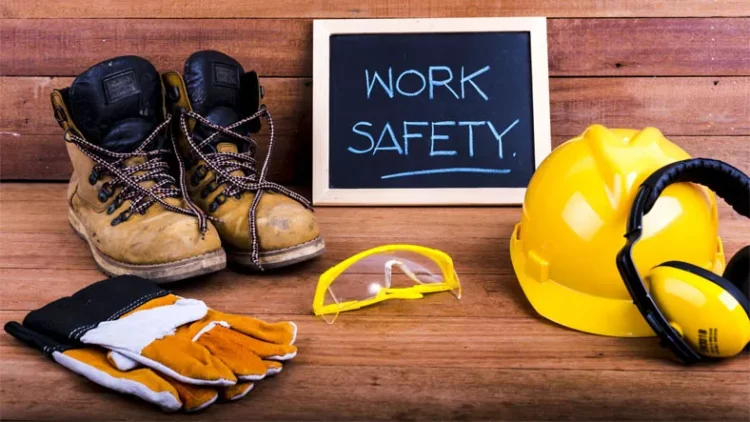
Every safety strategy begins with structure. A safe workplace relies on defined roles, documented procedures, and accountability across all levels. When safety is everyone’s responsibility, hazards are detected sooner, and workers feel empowered to report concerns without fear.
Leaders must set expectations clearly: what constitutes safe behavior, how to respond to incidents, and who ensures follow-up actions. It’s also essential to measure progress through internal reports, not just to satisfy legal obligations but to reveal real weaknesses in daily routines. Consistency in these fundamentals turns safety from an occasional concern into part of the company’s DNA.
Training and Systematic Work Environment Practices
Good intentions mean little without practical knowledge. That’s why structured education programs remain the backbone of every safety system. In Sweden, one of the most effective frameworks is the SAM utbildning, a program based on the Systematic Work Environment Management model. It teaches organizations to integrate safety into management routines, risk assessments, and employee involvement.
When training is applied properly, it prevents repetition of the same mistakes and builds a shared vocabulary around safety. Employees not only learn what to do but also why it matters. Over time, this awareness creates safer habits that naturally spread through teams and departments, raising standards across the organization.
Leadership’s Role in Creating a Culture of Accountability
True safety doesn’t come from rules alone, it grows from consistent example. When managers demonstrate commitment by following the same protocols as everyone else, trust follows. Employees watch what leaders do, not just what they say.
Practical ways leadership reinforces accountability:
- Conducting regular walkthroughs and open safety talks.
- Publicly addressing near-miss incidents as learning opportunities.
- Allocating resources for continuous training and maintenance.
- Recognizing teams that uphold safety standards.
A visible, fair, and transparent approach makes employees more willing to participate in safety reporting, transforming compliance into culture.
The Role of Data and Feedback Loops
Modern safety management thrives on evidence. Tracking incidents, near-misses, and inspections helps detect trends before they become crises. Many companies now integrate digital systems for reporting and follow-up, which simplifies both data collection and transparency.
| Metric | What It Shows | How It Helps |
| Incident frequency | Number of accidents or near misses | Detects recurring problems |
| Response time | Speed of corrective actions | Measures accountability |
| Training completion rate | Staff engagement in safety education | Ensures compliance and awareness |
When analyzed correctly, these indicators turn reactive correction into proactive prevention. The goal is not to punish mistakes but to understand patterns and eliminate their root causes.
Communication and Psychological Safety
Even the most robust safety system fails if people are afraid to speak up. Open dialogue, peer support, and management listening sessions build psychological safety, a space where workers can express concerns or admit errors without fear of blame.
Consider the “safety moment” routine: brief meetings before shifts where employees can discuss observations, improvements, or risks. These five-minute exchanges often reveal more actionable insights than formal audits. The consistency of communication helps bridge the gap between policy and practice, ensuring safety remains part of daily conversation rather than an occasional memo.
Integrating Technology Without Losing the Human Element

Digital tools have transformed workplace safety, from smart sensors to AI-driven risk prediction. Yet, technology works best when paired with human awareness. A sensor might detect elevated temperature in a factory line, but it takes trained personnel to interpret the situation and act swiftly.
Did you know?
Organizations that pair digital monitoring with human-led safety reviews reduce preventable accidents by over 30%. The synergy between tech and teamwork ensures that data doesn’t replace decision-making; it enhances it.
Balancing innovation with empathy remains key to maintaining both efficiency and trust.
Continuous Improvement and Long-Term Commitment
Safety isn’t a one-time project; it’s an evolving process. Annual reviews, refresher courses, and cross-department workshops keep systems relevant. As the workplace changes — new equipment, new employees, or new regulations — safety procedures must adapt too.
Some companies implement “lessons learned” databases where every incident, audit, or inspection adds to institutional knowledge. Others rotate safety officers between departments to cross-pollinate experience. The message is clear: ongoing curiosity and collaboration sustain improvement far longer than strict rulebooks ever could.
Engaging Employees as Safety Ambassadors

No organizational system can thrive without the people who bring it to life. Employees are the first to spot hazards, sense workflow inefficiencies, or notice unsafe habits. When they’re actively involved in shaping safety standards, they become ambassadors of the workplace culture rather than passive participants.
Encouraging engagement starts with small, consistent steps:
- Invite staff to join safety committees or risk-assessment meetings.
- Offer recognition for proactive reporting or creative safety solutions.
- Rotate safety leadership roles so everyone gains perspective and ownership.
Many organizations find that peer-led initiatives work best. When a trusted colleague explains why protective gear matters or how a simple habit reduces risk, the message carries more weight than top-down instruction. Over time, this peer influence builds accountability, pride, and a stronger sense of belonging, turning everyday workers into the guardians of a safer future.
Conclusion
Building a safer workplace through better organizational practices is not about avoiding penalties; it’s about valuing people. When leadership prioritizes transparency, employees receive consistent education, and feedback is respected, safety stops being a checklist and becomes a living system.
By combining systematic frameworks like SAM utbildning with open communication and data-driven decision-making, every organization can create a culture where safety is both practical and personal. In the end, the strongest protection any workplace can have is a shared commitment to care, for one another and for the work itself.