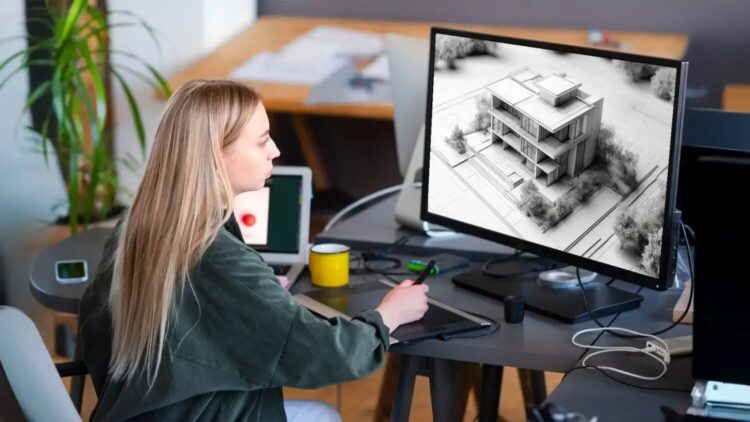
Architectural visualization has always been a bridge between creative design and real-world construction. In real estate, this bridge is becoming more advanced thanks to 3D modeling technology.
What once relied heavily on blueprints, flat sketches, or physical scale models is now brought to life with immersive digital environments that allow clients, investors, and buyers to see the final outcome before a single brick is laid.
For real estate developers, these visualizations do more than impress—they streamline communication, reduce design errors, and accelerate decision-making.
Buyers, on the other hand, gain confidence because they can visualize how their future homes or investments will truly look and feel.
Table of Contents
Why Real Estate Projects Rely on Advanced 3D Visualization
The real estate market is increasingly competitive, and presentation plays a critical role.
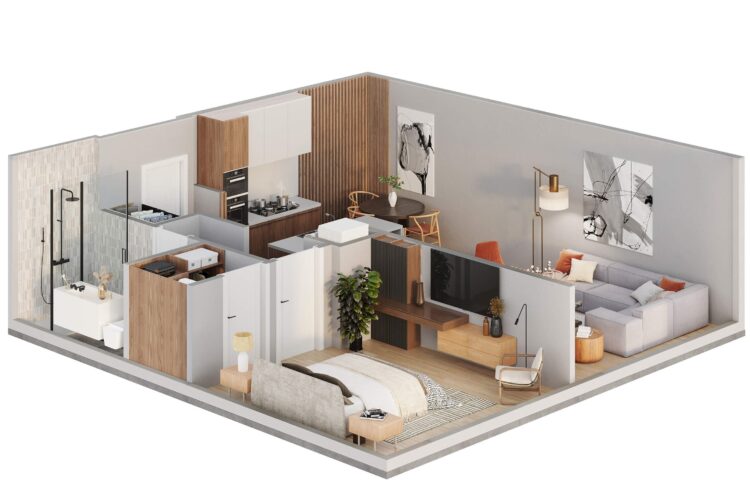
A well-rendered 3D model does not just show the shape of a building—it captures the atmosphere, lighting, materials, and even landscaping.
This level of detail helps projects stand out in brochures, presentations, and online listings.
More importantly, 3D modeling gives buyers something static images never could: a sense of presence.
A client viewing a 3D-rendered apartment can experience how natural light falls across the living room or how the kitchen flows into the dining area.
This realistic preview shortens the sales cycle and builds trust.
From Concept to Reality: The Workflow of 3D Modeling
Before construction begins, architects work with 3D modeling specialists to translate design concepts into interactive visuals. Modern tools allow them to import architectural drawings and convert them into rich, navigable models.
Here’s where image to 3d model AI technology makes a significant impact.
By quickly turning sketches or flat images into accurate 3D models, these solutions cut down on manual modeling time and ensure that even early design ideas can be visualized in detail.
For developers, this means a faster turnaround between initial concepts and client presentations.
Key stages in the process typically include:
- Drafting the design: Importing CAD or sketch-based layouts.
- 3D modeling: Creating accurate digital structures with walls, floors, and spatial proportions.
- Texturing and lighting: Adding materials like wood, glass, and concrete with realistic lighting scenarios.
- Rendering and walkthroughs: Producing static renders, animations, or full VR walkthroughs.
Elevating Buyer Experience with Interactive Walkthroughs
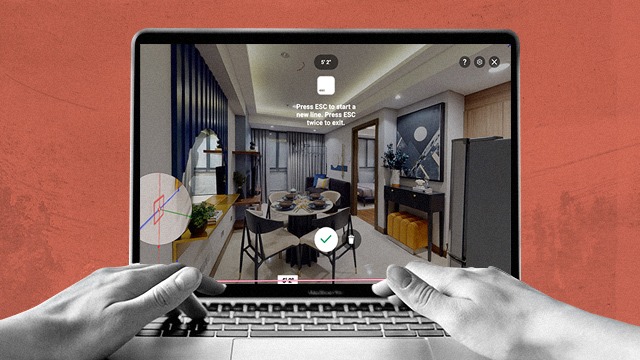
Static images no longer hold the same power they once did. Buyers and investors expect interactivity.
With 3D visualization, developers can offer virtual tours where clients walk through hallways, step onto balconies, or even view how different furniture arrangements might look.
This not only creates excitement but also answers practical questions: Does the space feel large enough? How does the layout flow between rooms?
Could the balcony view justify a higher asking price? By addressing these considerations before construction, developers can close deals with fewer delays.
Cost Efficiency and Risk Reduction for Developers
While 3D modeling is often praised for its visual appeal, it also plays a major role in risk management. Every real estate project comes with uncertainties: potential design flaws, misunderstood layouts, or costly last-minute changes.
3D models reduce these risks by providing a precise and shared visual reference for all stakeholders.
Engineers, contractors, and city planners can spot issues early, such as poorly placed utilities or awkward floor transitions.
By resolving these concerns before construction, developers avoid budget overruns and delays.
Additionally, the ability to test multiple material options virtually helps developers present cost-efficient alternatives to clients without needing physical samples.
Marketing Advantages of 3D Visualization in Real Estate
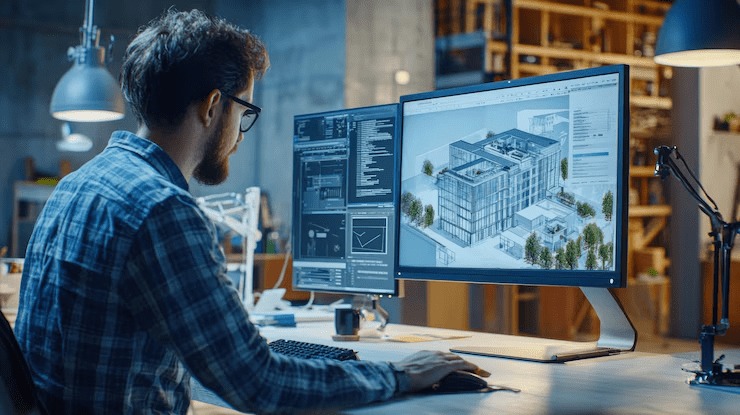
For marketing teams, high-quality 3D renders are invaluable. They can be used across multiple platforms:
- Websites and online listings: Eye-catching images attract more clicks.
- Printed brochures: Photorealistic visuals stand out from traditional floorplans.
- Investor presentations: Immersive renderings make pitches more convincing.
- Social media campaigns: Virtual walkthrough videos engage audiences better than static graphics.
Developers who invest in advanced 3D modeling often see a faster return because properties can be pre-sold while still under construction.
Integration with VR and AR in Real Estate
3D modeling is the foundation for virtual reality (VR) and augmented reality (AR) experiences. Potential buyers can wear a headset and walk through a yet-to-be-built apartment as if it already existed.
AR apps, on the other hand, allow users to project a 3D model of a building onto their actual environment through their phone or tablet.
This integration makes the property shopping experience more interactive and personal. Instead of imagining how a building fits into a neighborhood, clients can see it in context—helping them make confident investment decisions.
Future Outlook: Smarter and More Accessible Tools
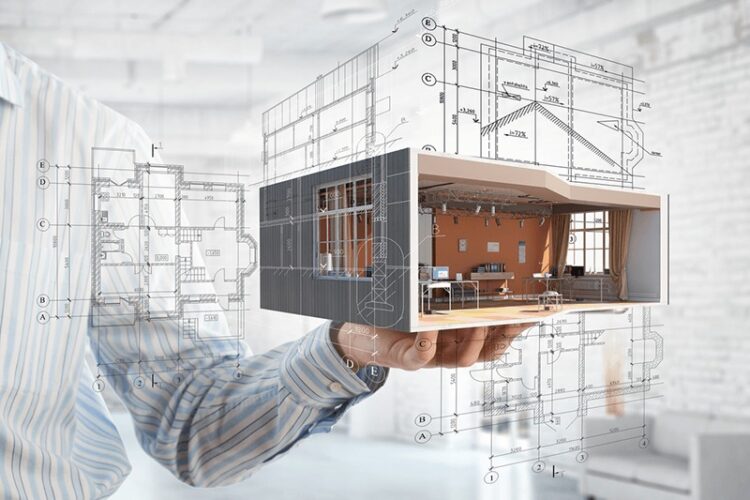
As 3D modeling technology advances, we are seeing automation and AI-driven features that speed up the process further.
Platforms that use AI to suggest optimal layouts, generate instant material textures, or simulate environmental factors such as sunlight and airflow are already emerging.
This democratization of tools will make high-quality architectural visualization accessible not just to large-scale developers, but also to smaller real estate firms and independent architects.
Conclusion
3D modeling technology is transforming architectural visualization into a powerful tool for both developers and buyers. By offering lifelike previews, interactive experiences, and risk-reducing accuracy, it plays a crucial role in the success of real estate projects.
Developers gain efficiency, marketers gain impactful visuals, and clients gain confidence in their decisions.
With innovations in image to 3d model converts, speeding up workflows, architectural visualization is no longer just a supporting element – it is a central strategy for building trust, driving sales, and ensuring smoother real estate development.
Frequently Asked Questions
1. How long does it usually take to create a 3D model for a real estate project?
The timeframe varies depending on project size and detail. A small apartment unit may take a few days, while a full residential complex could require weeks. With AI-driven tools, however, initial drafts can be generated much faster, often cutting production time by 30–50 percent.
2. Can 3D modeling be used for renovations, or only new developments?
3D visualization is highly effective for renovations. Architects can scan existing spaces, convert them into digital models, and then overlay proposed changes. This helps homeowners and investors see how updates like new layouts, extensions, or material changes will look before construction begins.
3. What software is commonly used for architectural 3D modeling?
Popular tools include Autodesk 3ds Max, Revit, SketchUp, Blender, and Lumion. Each has different strengths, from detailed architectural modeling to quick rendering. Many firms combine multiple platforms to balance accuracy, speed, and visual realism.
4. Is 3D visualization only useful for luxury real estate projects?
Not at all. While luxury developments often use high-end 3D renders, even mid-range or budget properties benefit. Realistic visuals can help first-time buyers or investors feel more secure about their decisions, especially when purchasing off-plan properties.
5. How does 3D modeling connect with building regulations and approvals?
Beyond marketing, 3D models can support the approval process. City planners and regulators often require visualizations to evaluate how a building fits into its environment. A precise 3D model can demonstrate compliance with zoning laws, environmental guidelines, and community aesthetics.