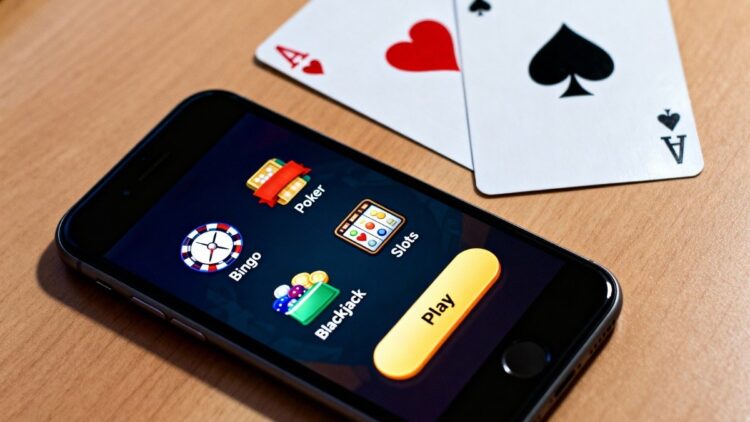
Online casino games are usually presented as if the only meaningful choice is the game itself. Pick a slot, open blackjack, try a live table. In practice, the phone in your hand has much more influence than people give it credit for.
Two players can open exactly the same casino game and get different experiences because one device has a brighter screen, faster processor, newer browser engine or better connection handling.
That also matters for Android users searching for a Betway APK, because the app still has to perform properly across a very wide range of phones once it is installed.
This becomes more noticeable as casino games move further away from the simple mobile titles of a decade ago.
A phone is now being asked to handle video, animation, sound, touch controls and a constant flow of information at the same time. None of those jobs is particularly unusual on its own, but put them together and differences between devices begin to show.
A game that feels completely ordinary on a newer phone can feel noticeably heavier on an older one.
Table of Contents
Some slots are basically small pieces of entertainment software now
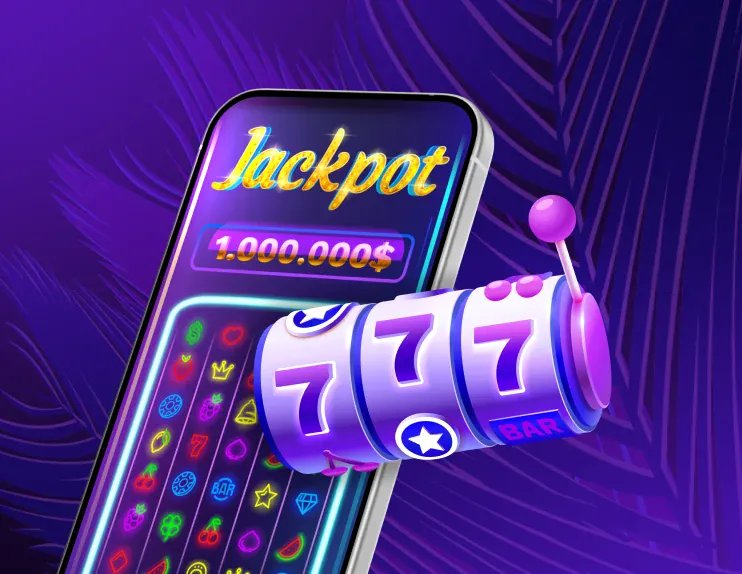
Older slots were relatively light. A few reels, basic animation, simple sound. Newer titles can carry high-resolution artwork, layered animation, elaborate bonus sequences and much more audio.
That pushes the game closer to ordinary mobile gaming from a technical point of view.
An older phone may still run it, but loading can take longer and animation may not stay perfectly smooth. Battery use can also become noticeable during longer sessions.
This is why two slots from the same casino lobby can behave very differently on the same device.
The processor is only part of the story. Phones also have different amounts of memory available, and that becomes relevant when somebody has several apps open in the background.
A browser tab containing a casino game may be competing with social media, messaging, music and everything else the phone has been left running.
On a device with less memory, switching away from the game and returning later can sometimes force part of it to reload
.Heat can make a difference as well. Phones are designed to reduce performance when they become too hot, rather than letting internal temperatures continue rising.
A graphically busy game running alongside high screen brightness, mobile data and other background activity can warm a device surprisingly quickly.
The game itself has not changed, but after a while the phone may no longer be running it under exactly the same conditions as when the session began.
Live casino puts pressure somewhere else
Live blackjack or roulette does not necessarily need complex graphics, but it has another problem: video.
The phone needs to receive a continuous stream while keeping the betting controls responsive. If the connection becomes unstable, the experience can deteriorate quickly.
A weak Wi-Fi connection may not stop a normal slot from working. It can make a live table much less pleasant.
The important distinction is that live games cannot always hide a connection problem in the way other software can.
A webpage can take another second to load an image and nobody cares very much. During a live table, the dealer and the game are still moving elsewhere while the phone is trying to catch up.
Even a brief interruption is therefore much easier to notice. Phones also move between networks.
Somebody may begin a game on home Wi-Fi, walk into another room with weaker coverage or switch to mobile data without thinking about it.
Good casino software has to deal with those changes without turning every small network fluctuation into a broken session.
Screen size changes which games make sense
Developers can make an interface responsive, but there is a limit to what comfortably fits on a small display.
A basic five-reel slot usually survives the move to a phone easily. Games with several meters, side features and large information panels have a harder time.
The same applies to live casino. Showing the dealer, table, chip controls and betting areas on one screen involves compromise.
Resolution and physical screen size are not the same thing either. A phone may technically display an enormous amount of detail, but that does not make tiny buttons comfortable to press with a thumb.
Developers have to decide what remains permanently visible, what gets moved into menus and what can safely disappear until the player needs it.
Orientation creates another complication. Some games work naturally in portrait mode because the reels can be stacked vertically.
Others make much more sense with the phone turned sideways. A game designed badly for one of those positions can immediately feel cramped even though there is nothing technically wrong with it.
Android apps have to cope with a huge range of phones
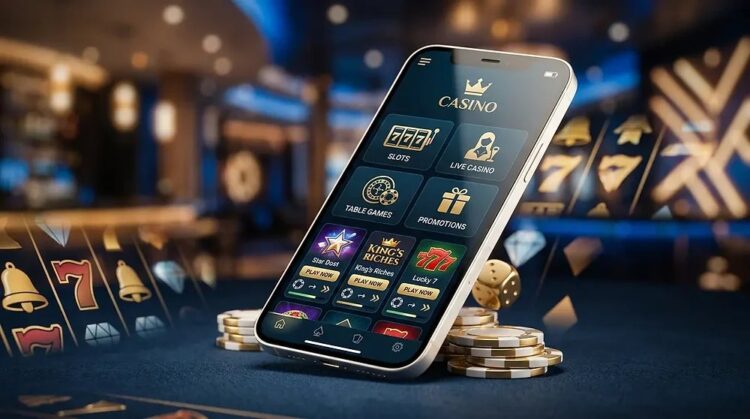
Android software may have to run across devices from many manufacturers, with very different processors, screen sizes and versions of the operating system.
That makes testing more complicated than it first appears. The software has to remain readable and responsive whether it is running on a recent flagship or a much cheaper phone that may already be a few years old. Getting the app onto the device is only one part of the job.
There are also differences that users rarely think about. Manufacturers can handle battery saving, background processes and memory management in slightly different ways.
Two phones running the same broad version of Android may therefore behave differently once an app has been left in the background for a while.
Battery life can quietly influence the experience
Battery performance is rarely mentioned when casino games are compared, although the phone certainly notices it. Keeping the screen bright, processing animation, playing audio and maintaining a network connection all require power.
Live video adds another demanding task on top. This does not mean every elaborate game drains a battery dramatically. The difference becomes more obvious when comparing types of play over time.
A relatively simple slot may place much lighter demands on the device than a high-quality live video stream running continuously.
Battery-saving modes can complicate things further because phones sometimes reduce processing power or background activity once power becomes low.
A game that was completely smooth at the beginning of a session may therefore behave a little differently later without anything changing on the casino’s side.
Storage is becoming part of the equation too
Casino apps do not necessarily need enormous amounts of space because many games are delivered dynamically rather than stored permanently on the phone.
But temporary files, cached graphics and repeated game assets still accumulate. That matters on devices already running close to their storage limit.
A phone struggling for free space can become slower and reload apps more often, making otherwise decent software feel worse. Dynamic delivery is actually one of the reasons casino lobbies can offer so many games without requiring an enormous initial download.
The app or website acts partly as the doorway, while much of the individual game content is loaded when needed. Players can move between very different titles without having every reel, table and video asset permanently sitting on their phone.
The casino lobby hides all of this
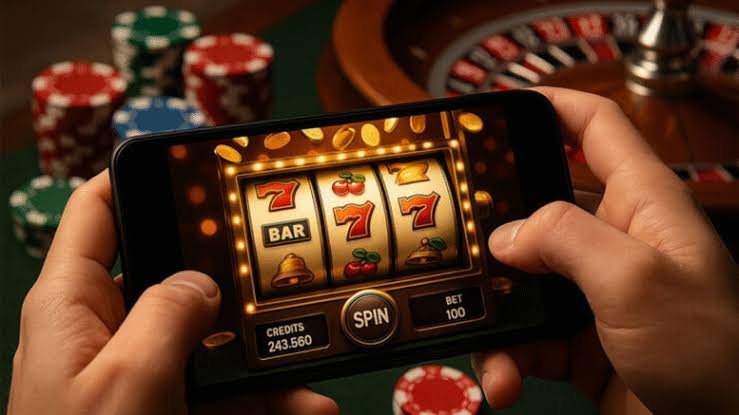
Inside the lobby, every game is just another thumbnail. Nothing tells you that one slot is much heavier than another, or that the live table beside it will place far more demand on the connection.
A simple card game, a heavily animated slot and a live roulette stream can appear alongside each other as if the phone will treat them in exactly the same way. It will not.
Phones have their own limits, and those limits are different from one device to another.
Processing power, available memory, screen dimensions, battery condition, storage and the quality of the connection all sit quietly behind what appears to be a straightforward choice between games.
This is also why mobile casino design cannot only be about making a desktop interface smaller. Developers have to consider the device as part of the game environment.
Sometimes the best mobile experience comes from reducing visual clutter or using lighter assets rather than trying to reproduce every desktop effect on a five or six-inch screen.